Physical Literacy Takes Centre Stage in Manchester as CUPEST 2026 Turns Ideas into Action
CUPEST News | 19-21 October 2026
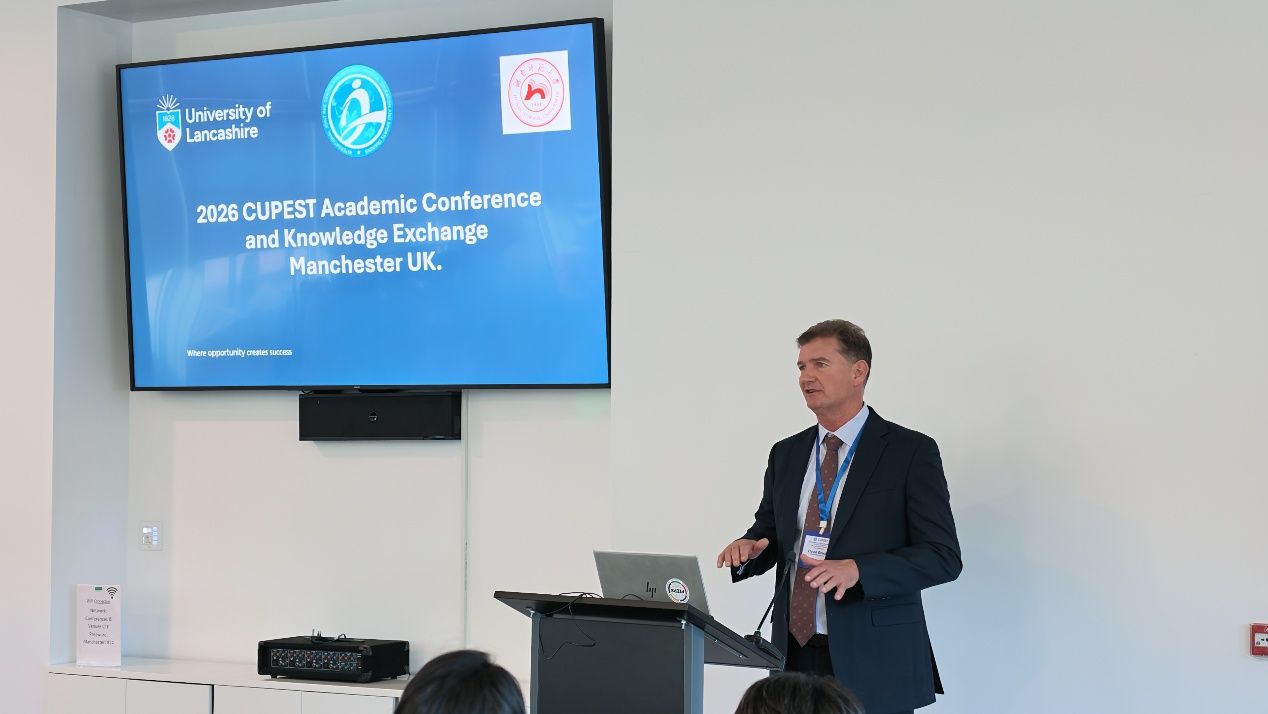
MANCHESTER — From policy tables to playing fields, the international physical literacy community came together in Manchester from 19 to 21 October 2026 for the CUPEST Academic Annual Conference. Hosted by the University of Lancashire and Hunan Normal University, in association with the International Physical Literacy Association (IPLA) and the International Federation of Physical Education (FIEPS), the event brought together more than 100 delegates from over ten countries to connect theory, policy and practice.
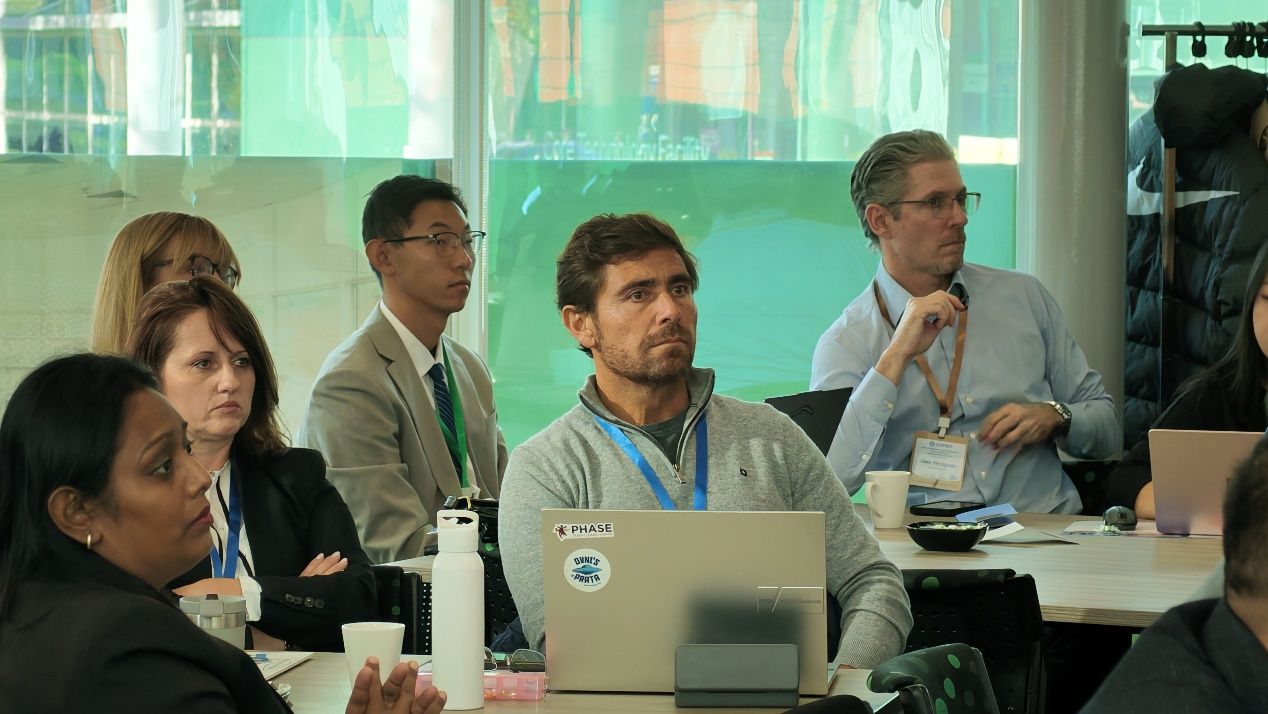
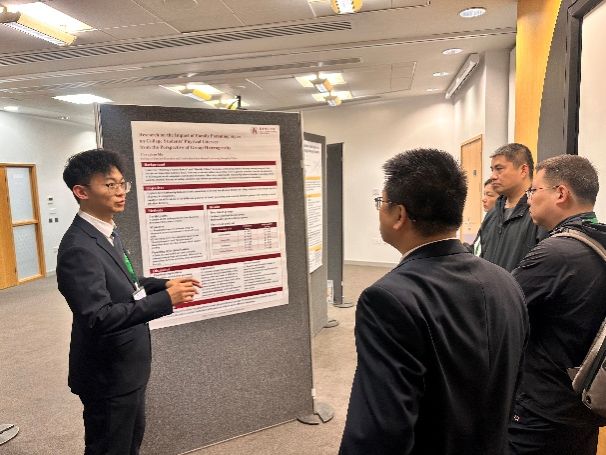
The three-day programme featured keynote addresses, a European pedagogy symposium, practical workshops, oral and online presentations, and poster sessions.
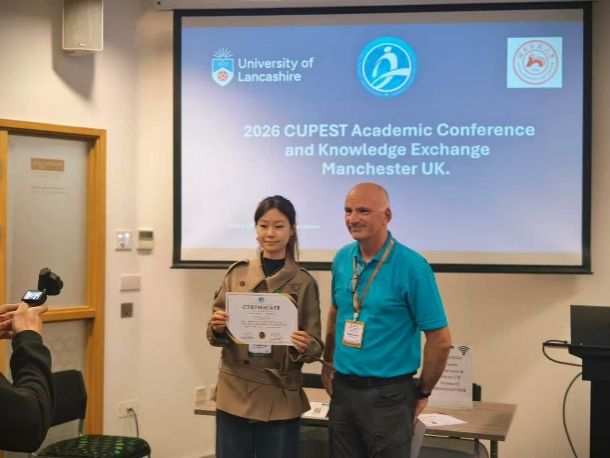
Delegates and presenters represented 19 countries including China, the United Kingdom, India, Austria, Canada, Croatia, Ireland, Italy, North Macedonia, Portugal, Slovakia and Cyprus.
A Lifelong Relationship with Movement
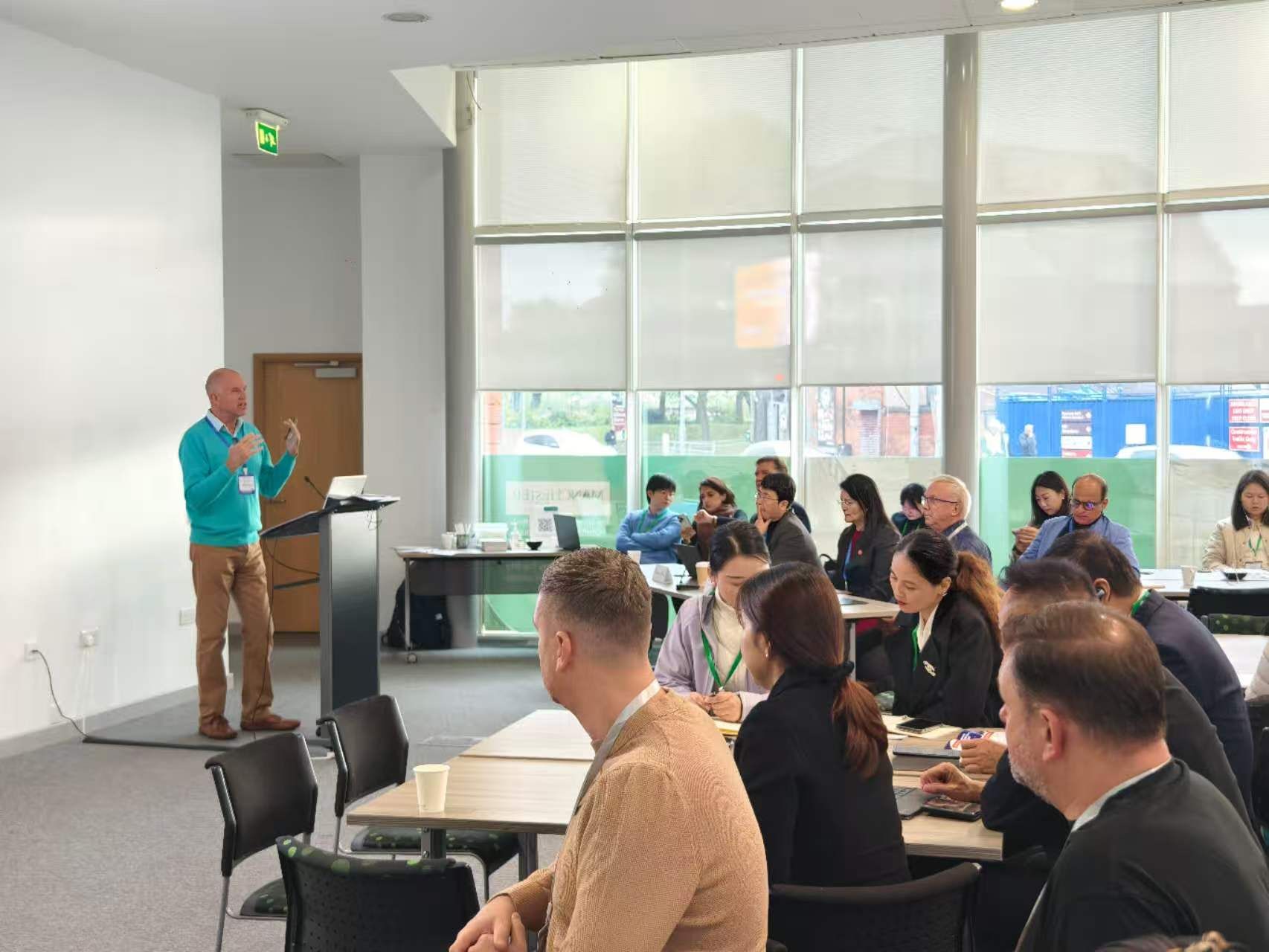
Nigel Green, Chair of IPLA, told delegates that physical literacy is a lifelong, evolving relationship with movement, and described each person’s “movement biography” as shaped by relationships, culture, places and opportunities.
Sino-British Partnership Takes a Step Forward
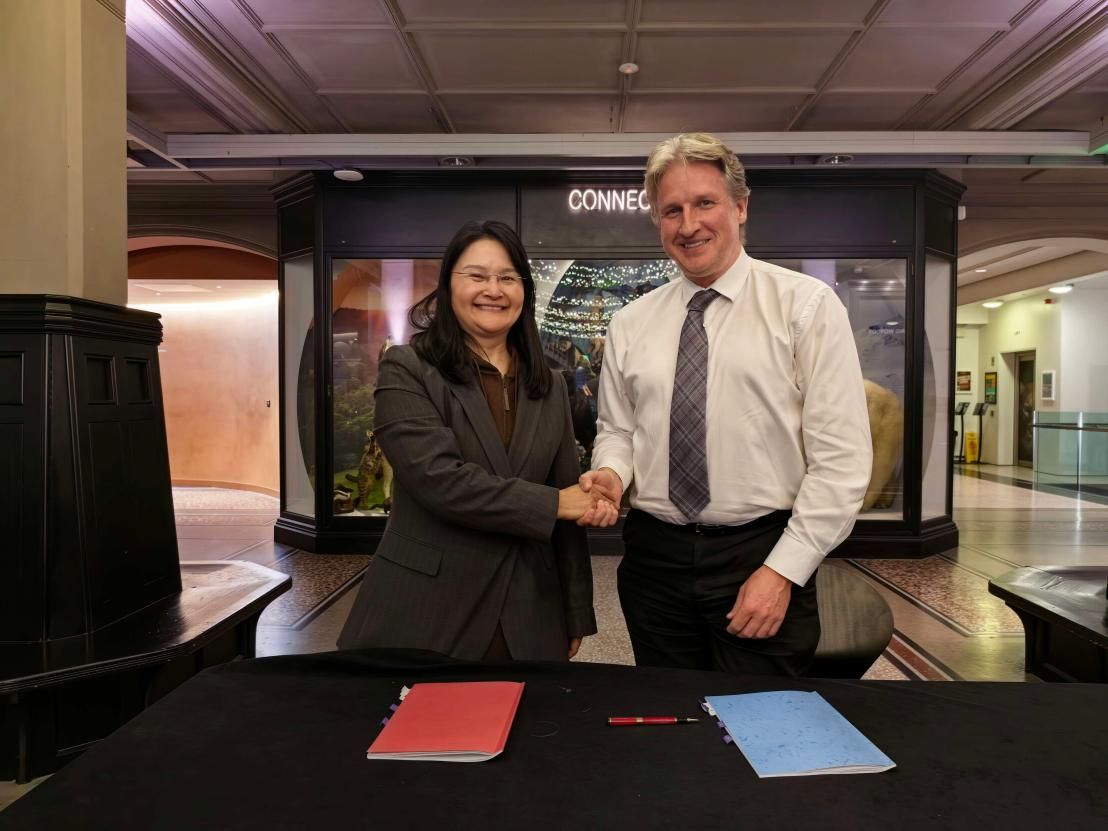
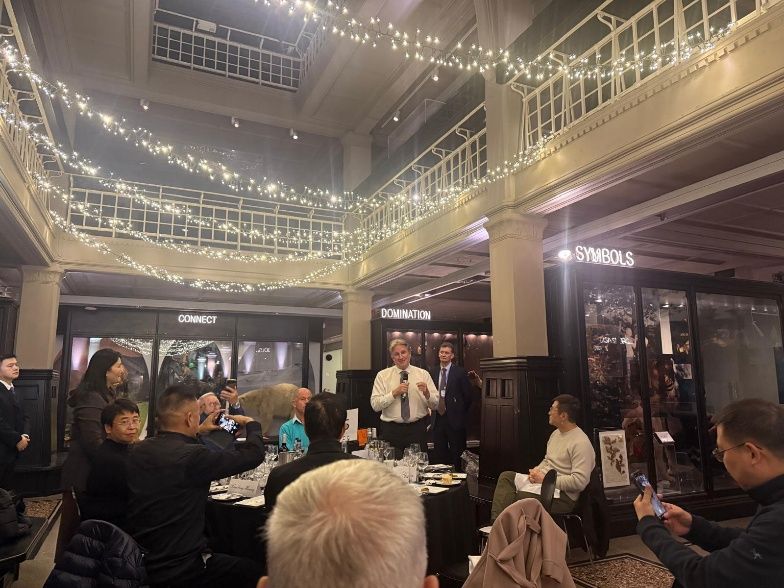
Hunan Normal University and the University of Lancashire have signed a cooperation agreement in Manchester to hold joint academic events regularly, strengthen staff and student exchange and deepen their joint degree programme. The agreement was signed by Lan Zheng, Dean of the College of Physical Education at Hunan Normal University, and Bryan Jones, Dean of the School of Health, Social Work and Sport at the University of Lancashire.
Measuring What Matters: Experts Call for a Fuller Picture of Progress
Day 2 turned to pedagogy, assessment and inclusion. Nigel Green returned to introduce the six THRIVE qualities of a good movement experience — tailored, holistic, reflective, inclusive, varied and empowering — and argued that progress should be charted through confidence, belonging and agency rather than through scores alone.
Kyle Pushkarenko, Assistant Professor at Memorial University of Newfoundland and IPLA’s Special Interest Group Lead for Inclusion, argued that inclusion depends on belonging and agency — and on organisations that provide the access and staffing to sustain it.
Wang Xiaozan, Dean of the College of Physical Education and Health at East China Normal University, presented the KDL model and its alignment with physical literacy, while Huang Xiaoling, Dean of the School of Physical Education at Southwest University, introduced his school and invited international partners to cooperate.
A special symposium, Pedagogies Across Europe, brought together five speakers, including Gabriela Luptáková of Comenius University Bratislava on tandem teaching between teachers and coaches in Slovak primary schools, and José Amoroso of the Polytechnic University of Leiria on how the Spirit of the Game in Ultimate Frisbee can teach fairness and responsibility.
Thinking Bigger: From Classrooms to Whole Systems
The final day turned to systems change. Lawrence Foweather of Liverpool John Moores University, the Principal Investigator of England’s Physical Literacy Consensus Statement, explained how the statement was co-developed with more than 50 organisations through open dialogue — and what other countries can learn from that process.
Fiona Chambers of University College Cork, Vice-President of CEREPS and co-founder of PE4PISA, closed the keynote programme with a participatory session on the future of physical literacy for people and the planet, and made the case for including physical education in OECD PISA.
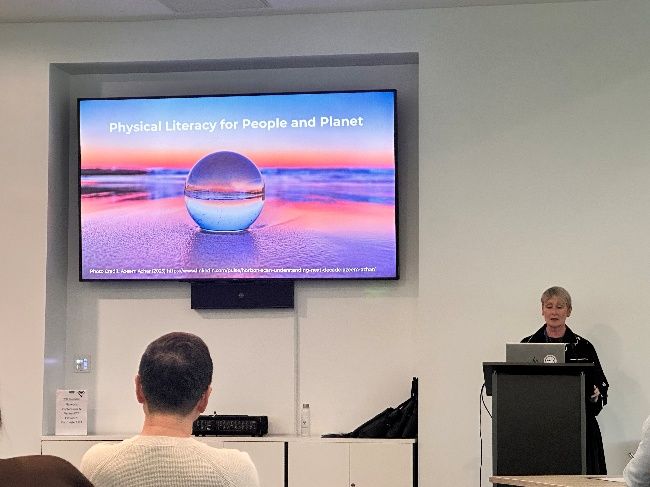
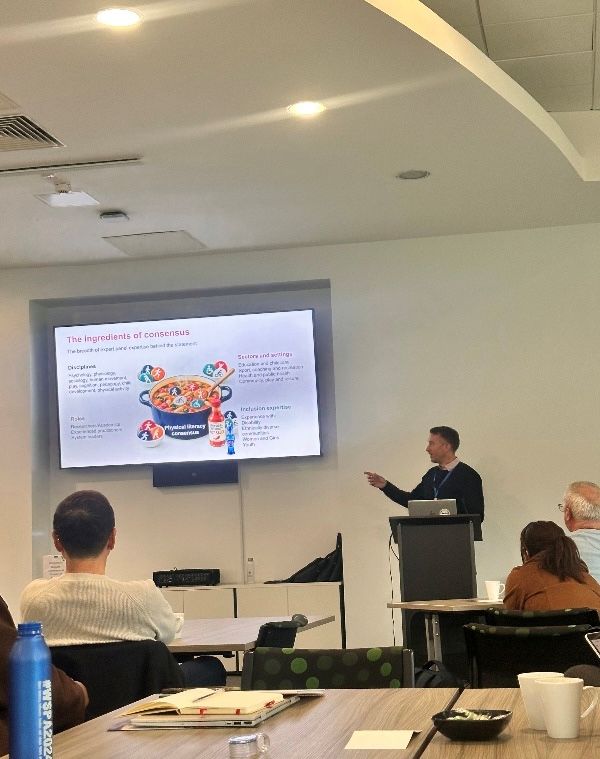
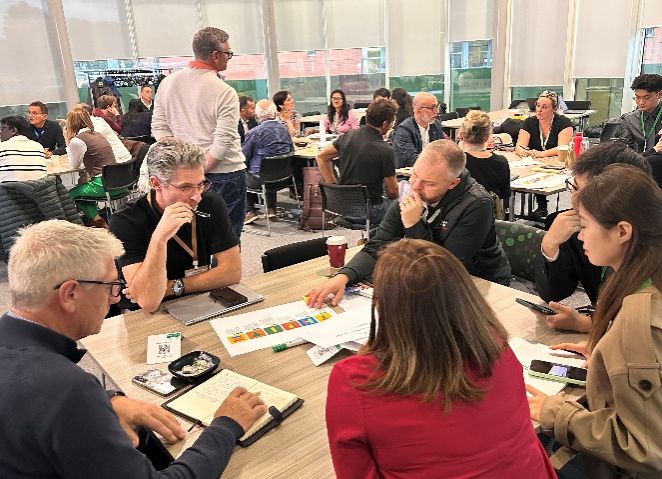
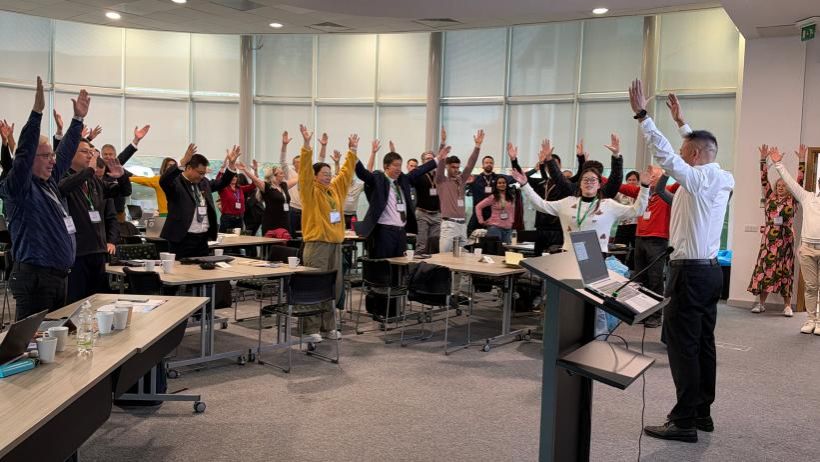
In the closing workshop, System Change and Leadership, delegates were asked to propose priorities for system change, weigh global commitments and shape principles for physical literacy leadership, working towards a Future Development Framework.
Voices from Across the World
The conference also heard from Raymond Sum, Founding President of the Chinese Physical Literacy Association, on a decade of work bridging Eastern and Western approaches; Amit Malik, International Adviser and Trustee of IPLA, on physical literacy policy and practice across India; Johannes Carl of the University of Vienna on the Global Physical Literacy Action Framework; Biljana Popeska, Vice-President of the European Physical Education Association (EUPEA), on its Quality Physical Education framework; Dario Novak, President of FIEPS Europe, on cross-border professional networks; and Attilio Carraro of the Free University of Bozen-Bolzano, a Board Member of AIESEP, on a regenerative approach to movement education.
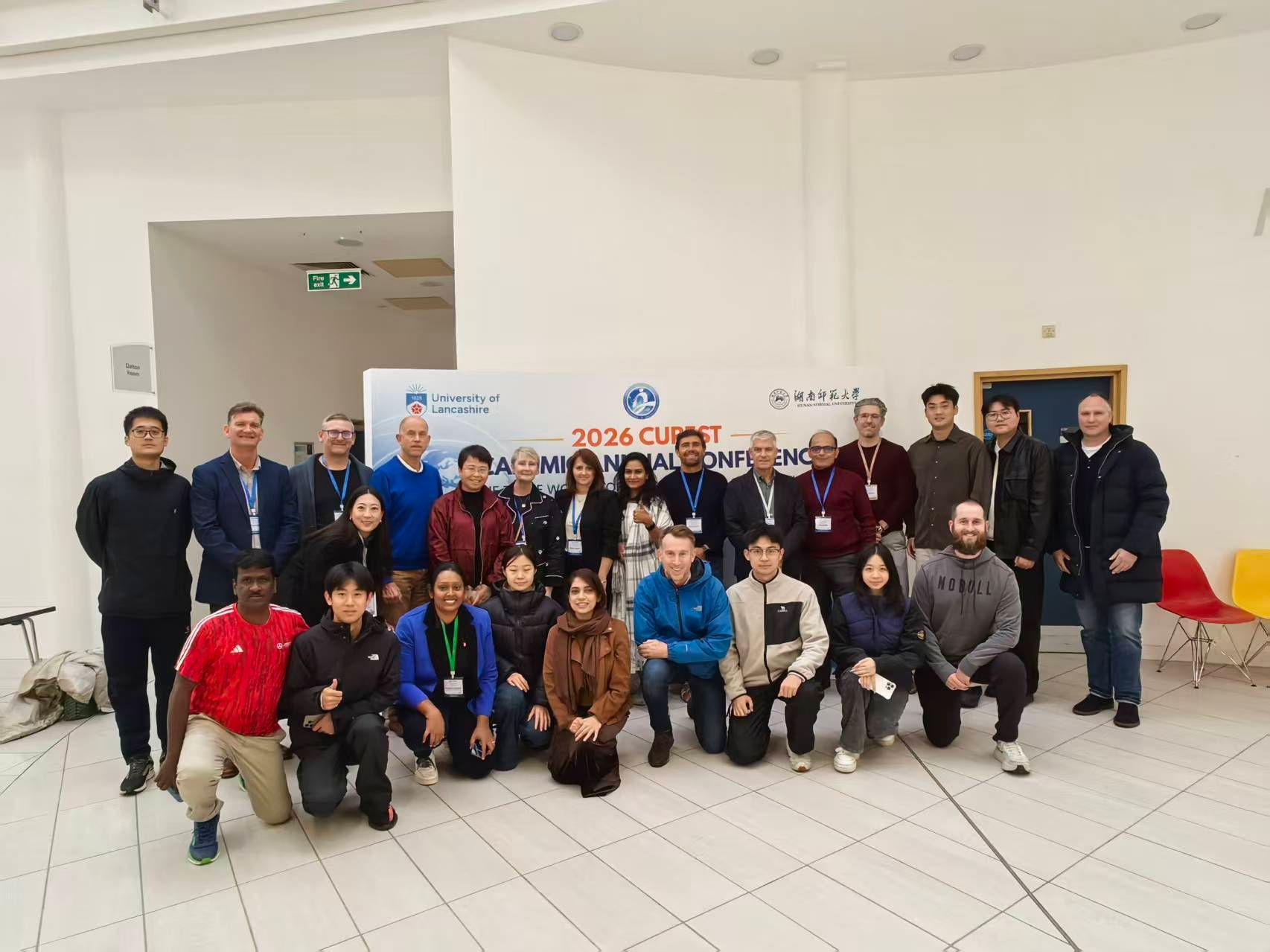
CUPEST is the International Joint Research and Knowledge Exchange Centre for University Physical Education and Sports Training, a partnership between Hunan Normal University, Changsha, and the University of Lancashire, Preston. Its resources, including curriculum guides and a physical literacy e-book, are available free of charge.